OVERVIEW
TRIP LENGTH
3 days and 2 nights
SEASON
January/December
ADVENTURE TYPE
Nature, Treckking, Sailing
DESTINATION
Pampas del Yacuma
MIN.AGE
12 years old (children under 12 must be accompanied by a tutor or parent).
TRIP BEGINS/ENDS
Rurrenabaque
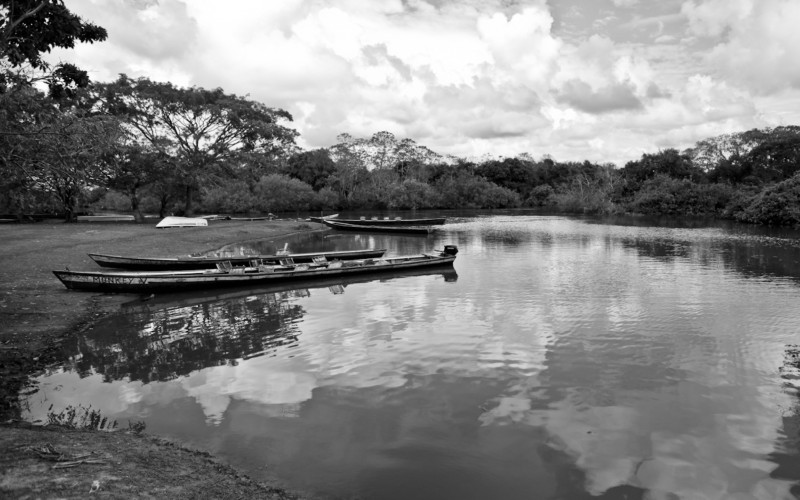
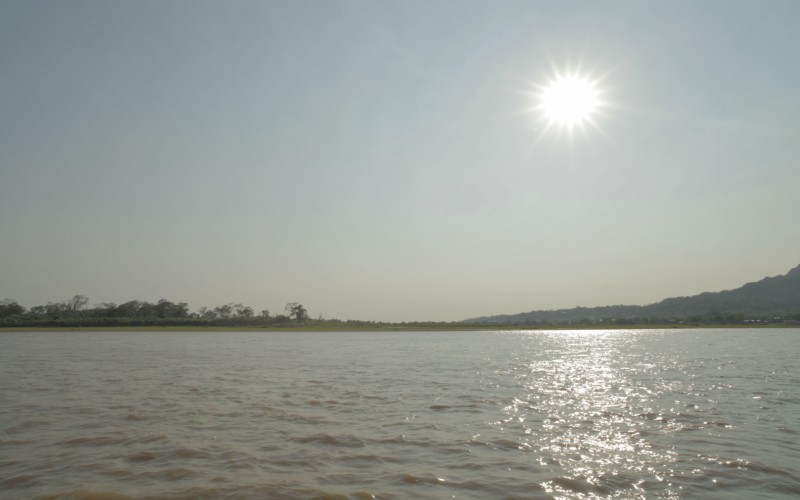
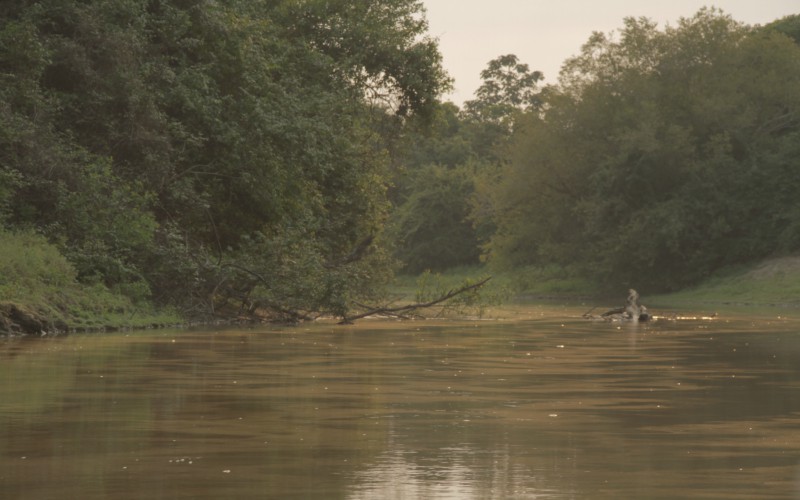
In the pre-Amazonian region there are the Pampas, a vast area of tropical wetlands that offers a refuge for a wide variety of animals and an incredible goal for adventurous travelers.
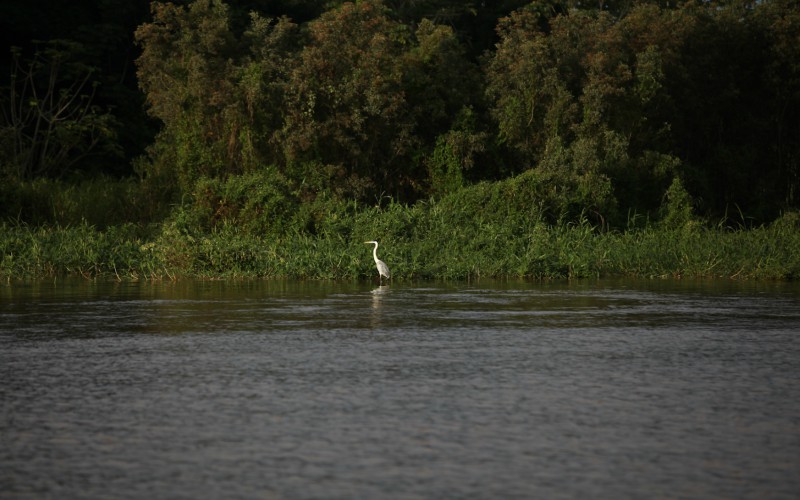
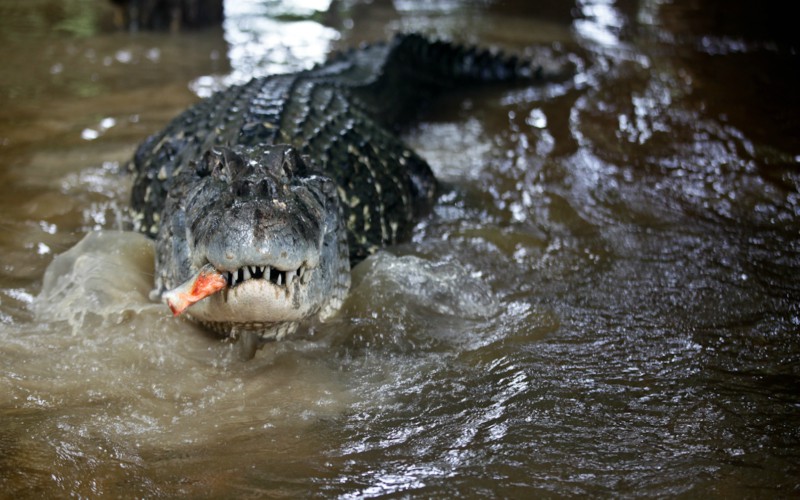
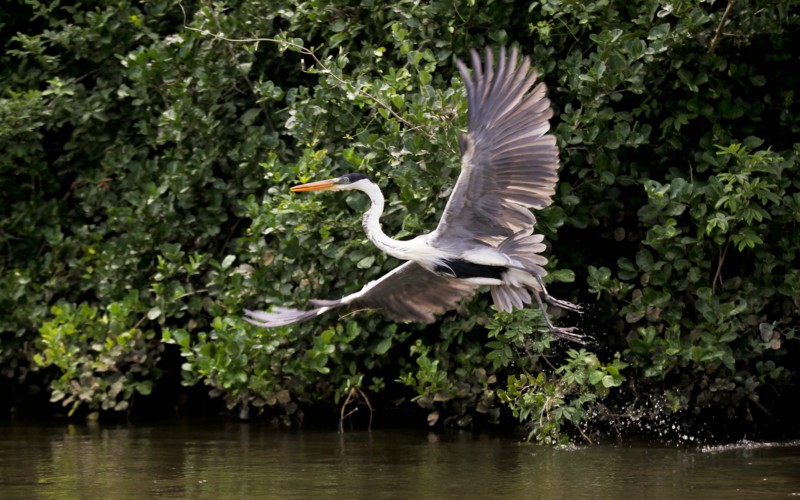
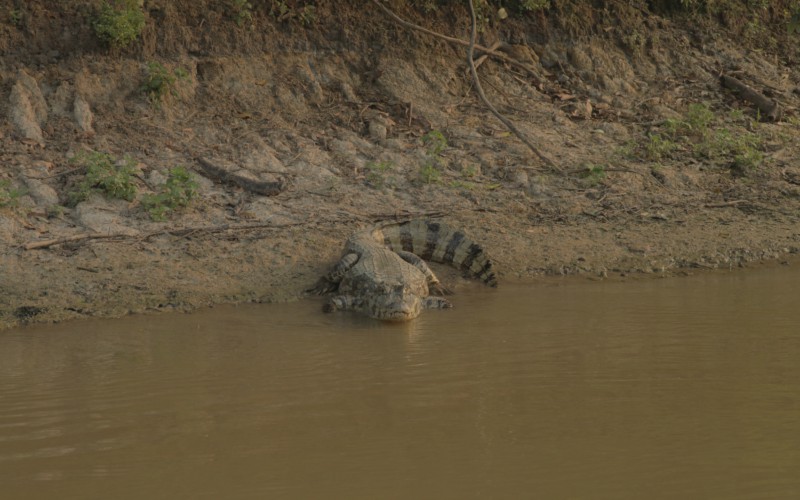
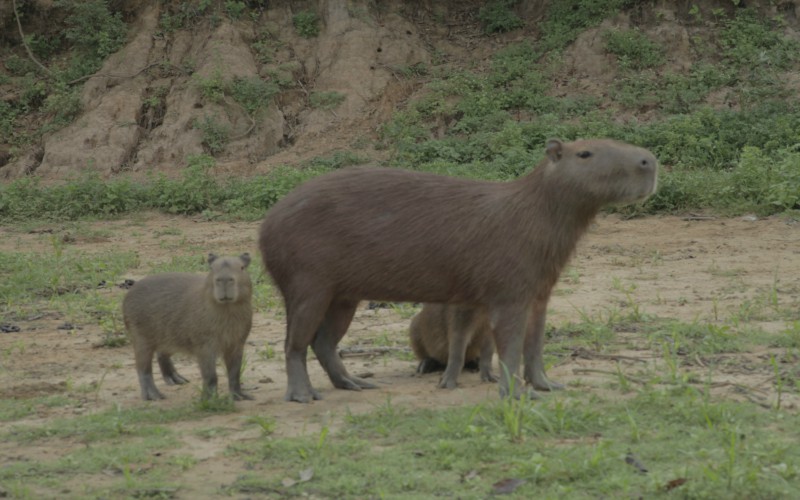
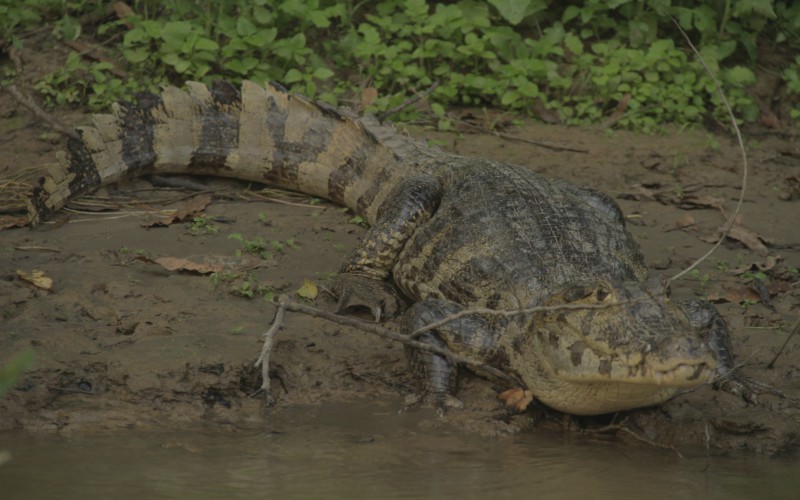
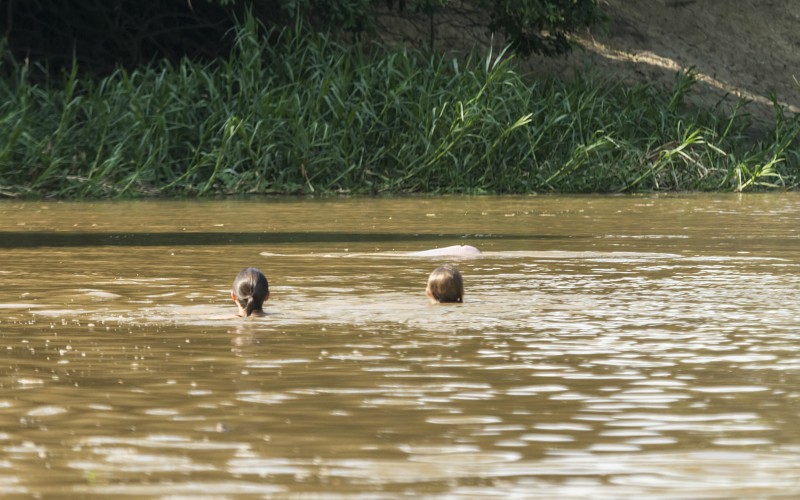
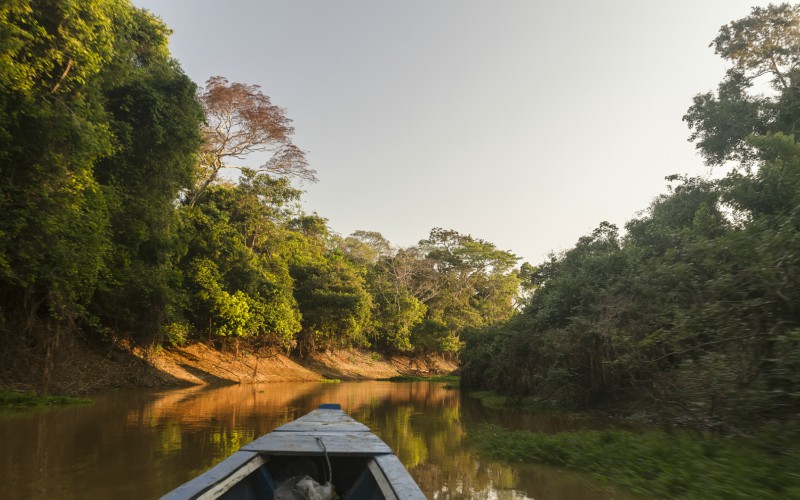
At the edge of the Amazon, the pampas have less abundant vegetation than the jungle, which allows more space to detect animals. Therefore, it is the perfect destination for travelers who seek to observe wildlife in their natural habitat: visitors will see anacondas, capybaras, monkeys, alligators, and countless species of tropical birds such as toucans and macaws. Pampas is the home place of the bolivian river dolphin (Inia boliviensis) considered a unique and endemic specie from this area. At just over 400 meters above sea level, the pampas enjoy mostly warm climates throughout the year, with some temperature drops during the nights. The area crosses two seasons: the rainy season (from December to April, although it can vary according to the years) and the dry season (from May to November). The rainy season is slightly cooler than the dry season: at this time the level of the water increases and the terrain becomes more muddy. Although humidity levels and the high presence of mosquitoes create more challenging conditions, during the rainy season it is more likely to find animals and the vegetation is a little more abundant. On the other hand, in the dry season, the roads become easily accessible, allowing visitors to walk through different areas.
ITINERARY
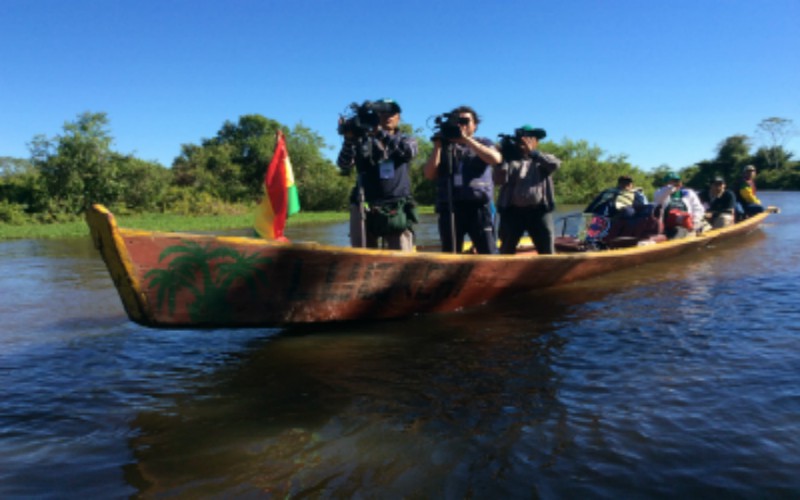
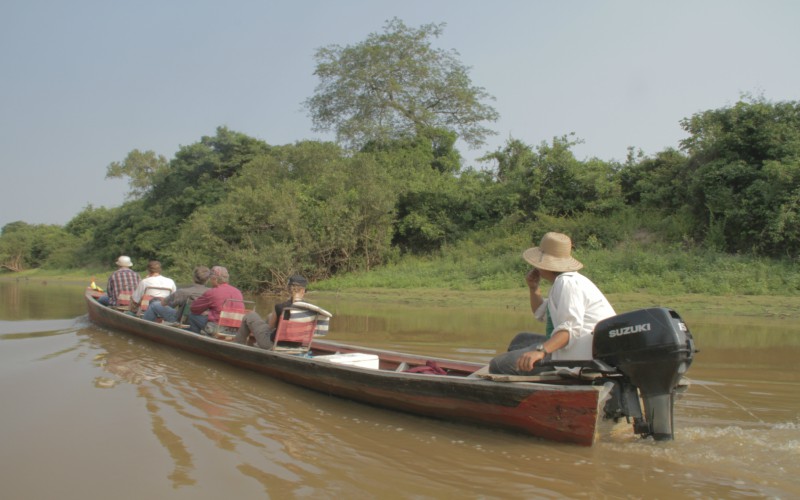
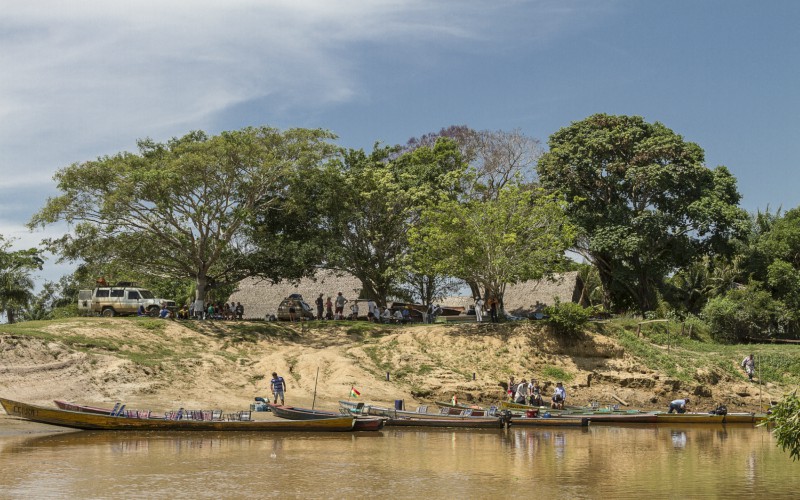
"The tour starts in Rurrenabaque at 8:30 A.M. departing to the town of Santa Rosa de Yacuma in a comfortable 4x4 vehicle; during the tour we can see a variety of typical wildlife of the region such as sloths, anteaters, toucans and others. At midday, a boat will be taken to cross the Yacuma River and then we arrive at the Ecolodge ""Las Tortugas"" where the accommodation services and the lunch are offered.
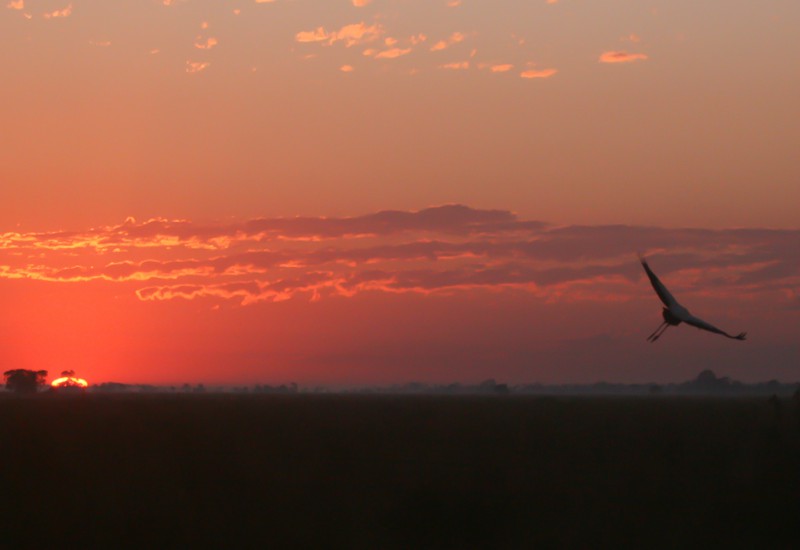
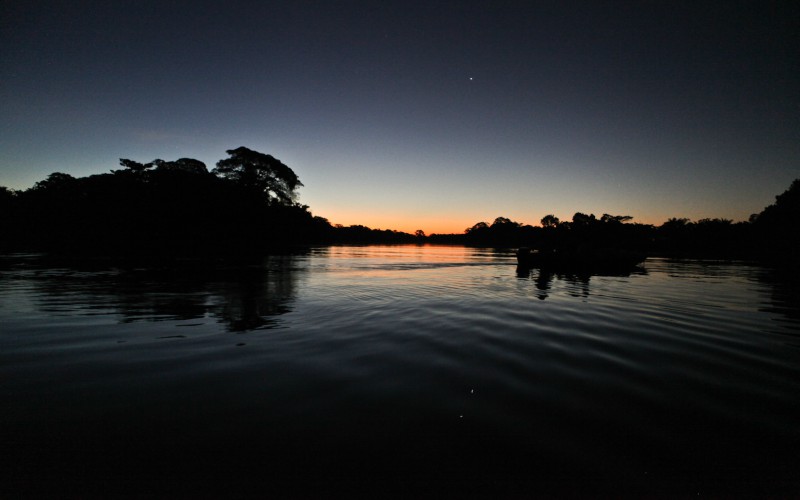
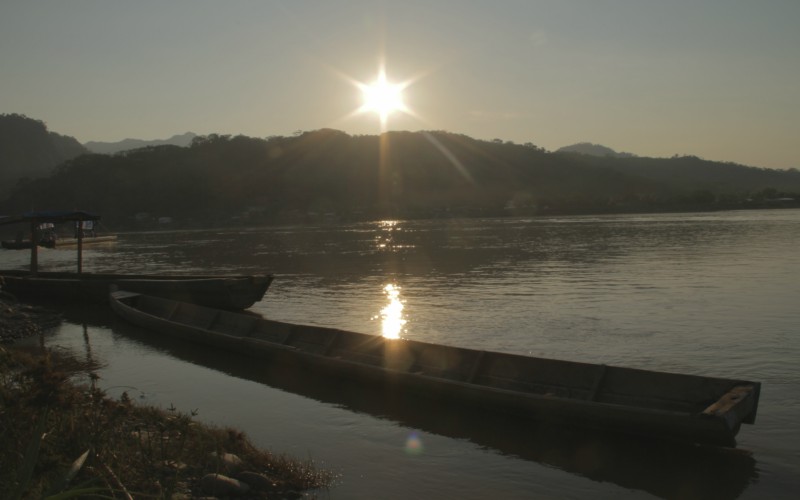
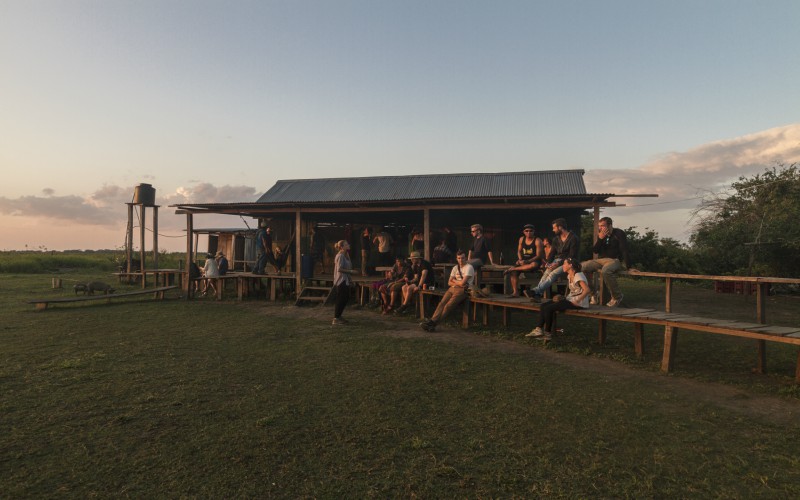
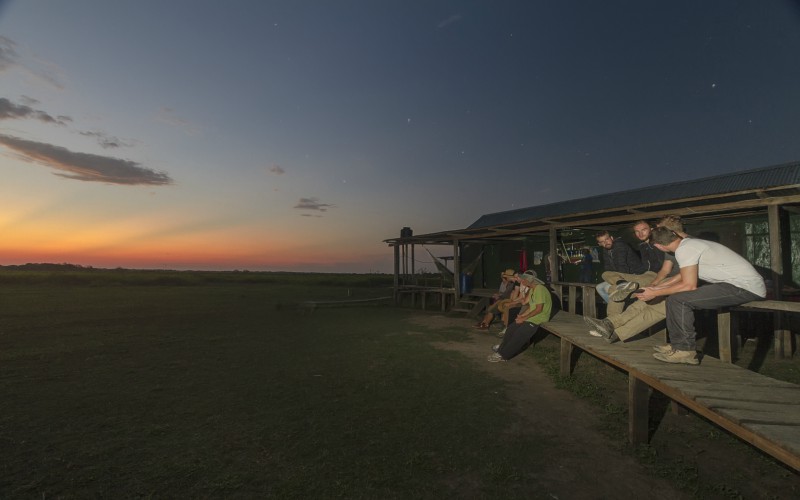
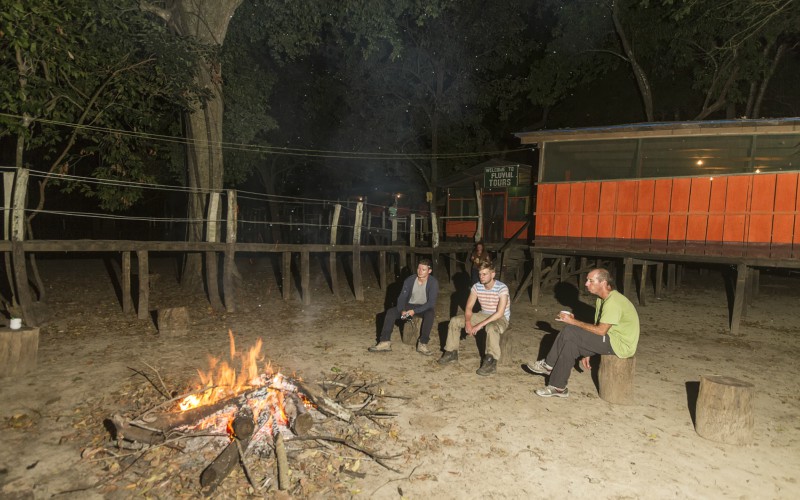
In the afternoon we make walks around the Ecolodge where we can see a variety of species such as toucans, capuchin monkeys, anteaters and others. In the afternoon we can appreciate the incredible sunset of the savannah. At night the dinner is offered, afterwards a boat trip is made in order to observe the eyes of alligators and other species with the light of the lantern and enjoy the beautiful night sky."
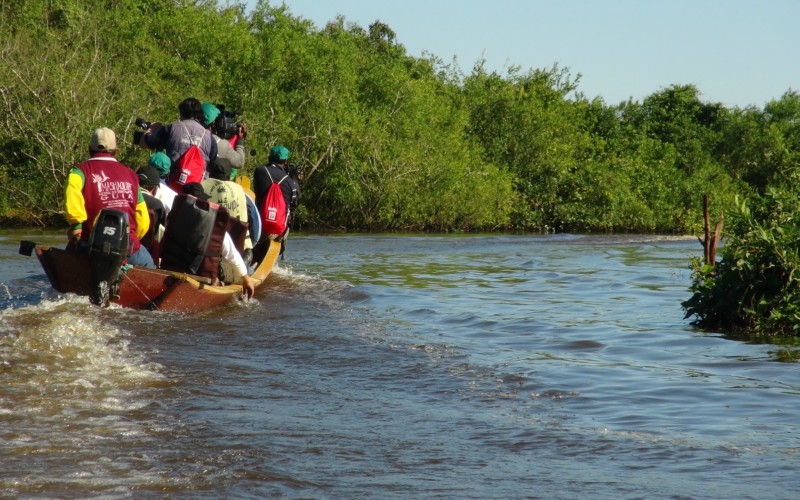
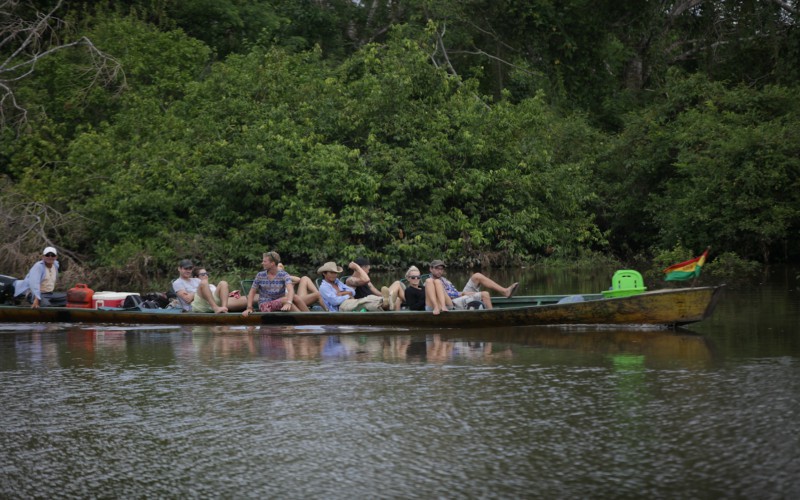
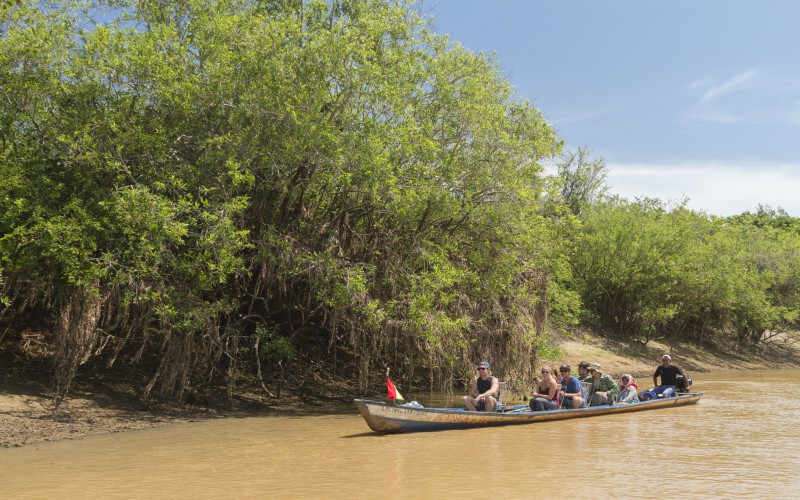
"We start at 7:30 A.M. with the breakfast and then we navigate on Yacuma River, where we can observe a lot of species such as capybaras, alligators, lizards, turtles, monkeys, birds and the river dolphin or bufeo, endemic specie from Bolivia. After the tour, we return to the Eco Albergue for lunch. Then we will have a short break.
In the afternoon we return to the Yacuma River where we can swim and watch the river dolphins. This activity depends on the time and weather conditions."
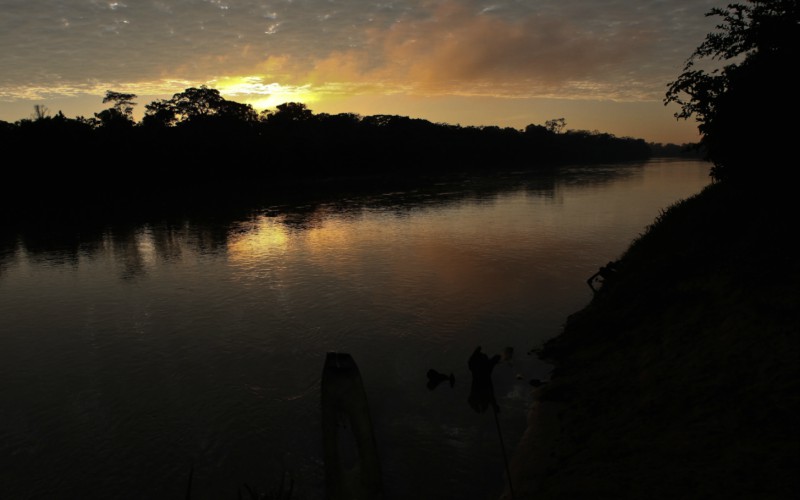
The tour starts very early at 5:30 A.M. in order to observe the beautiful sunrise of the pampas, after breakfast, a walk is made through the swamp in order to observe anacondas. Afterwards, we return for lunch.
Around 2:00 P.M. we return to Rurrenabaque where we arrive at 4:30 P.M.
DATES & RATES
Dates
Rates
Supplementary Information
Included:
• Pick up service from Rurrenabaque Airport
• Transportation in boat to Mashaquipe Eco Lodge
• All meals during the tour
• Acomodation in ecological cabins
• Local guide
• All activities in the destination
Not Included:
• Accommodation and meals in Rurrenabaque
• Tips
• Extra drinks and snacks
• Entrance fee to Pampas del Yacuma Protected Area (23 USD)
• Transportation from La Paz or another city to Rurrenabaque
What to bring:
• Loose, thin and long sleeve clothes
• Insect repellent
• Sunscreen
• Hat
• Camera
• Trekking shoes
• Enough cash (local currency)
Comments:
• Availability may depend on weather conditions
• At any activity, we recommend you to bring enough cash in Bolivianos (BOB), try to usually bring some bills of short value (10 BOB, 20 BOB, 50 BOB)