ABOUT BOLIVIA
Bolivia – officially the Plurinational State of Bolivia – is a landlocked country located in Central South America.
Bolivia – officially the Plurinational State of Bolivia – is a landlocked country located in Central South America. It is bordered to the north and east by Brazil, to the southeast by Paraguay, to the south by Argentina, to the southwest by Chile, and to the northwest by Peru.
Modern Bolivia is constitutionally a unitary state, divided into nine departments: Pando, La Paz, Beni, Oruro, Cochabamba, Santa Cruz, Potosi, Chuquisaca y Tarija. The constitutional capital is the historic city of Sucre, where the Supreme Court is established, but the administrative capital is La Paz, where the executive and legislative branches of government function.
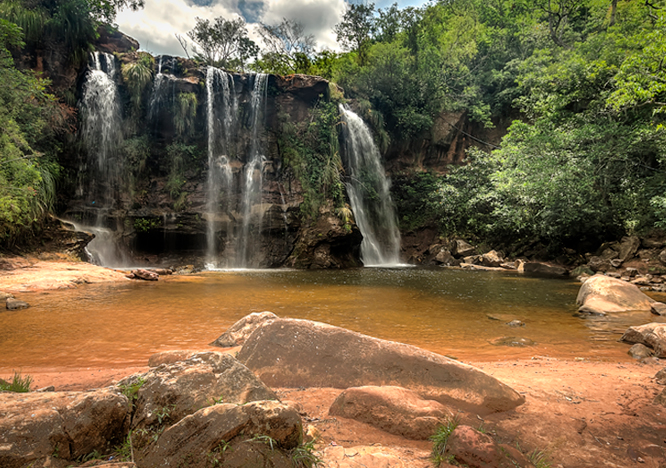
Bolivia is traditionally regarded as a highland country. Although only one-third of its territory lies in the Andes Mountains, most of the nation’s largest cities are located there, and for centuries the highlands have attracted the nation’s largest amount of mining, commercial, and business investment. In the late 20th century, however, the demographic and economic landscape began to change as the eastern lowlands—particularly the department of Santa Cruz—developed rapidly.
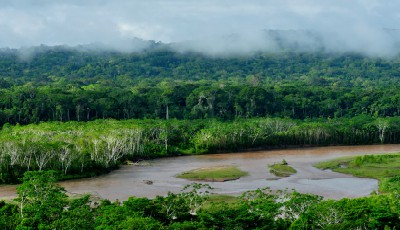
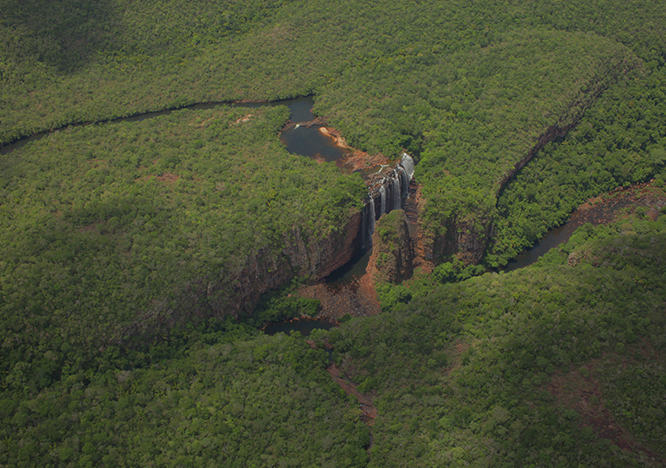
North and east of the Andes and Yungas is the Oriente region, an extension of the Amazon River basin that covers more than two-thirds of Bolivia. The vast area of the Oriente is composed of low alluvial plains (llanos), great swamps, flooded bottomlands, open savannas, and tropical forests. It supports the greatest variety of wildlife in the nation, as well as the largest population centre (Santa Cruz city) and the fastest-growing of Bolivia’s regional economies.
HISTORY
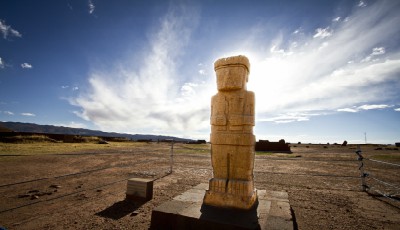
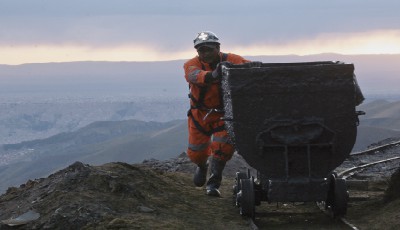
Before Spanish colonization, the Andean region of Bolivia was part of the Inca Empire, while the northern and eastern lowlands were inhabited by independent tribes. Spanish conquistadors arriving from Cuzco and Asunción took control of the region in the 16th century. During the Spanish colonial period Bolivia was administered by the Royal Audiencia of Charcas. Spain built its empire in great part upon the silver that was extracted from Bolivia’s mines.
After the first call for independence in 1809, 16 years of war followed before the establishment of the Republic, named after Simón Bolívar, on 6 August 1825.
Much of its subsequent history has consisted of a series of coups and countercoups, with the last coup occurring in 1978. Democratic civilian rule was established in 1982, but leaders have faced difficult problems of deep-seated poverty, social unrest, and illegal drug production. In December 2005, Bolivians elected as president Evo Morales, leader of the Movement Toward Socialism, after he ran on a promise to change the country’s traditional political class and empower the nation’s poor, indigenous majority. He is still in power, after winning reelections in 2009 and 2014.
LANGUAGE
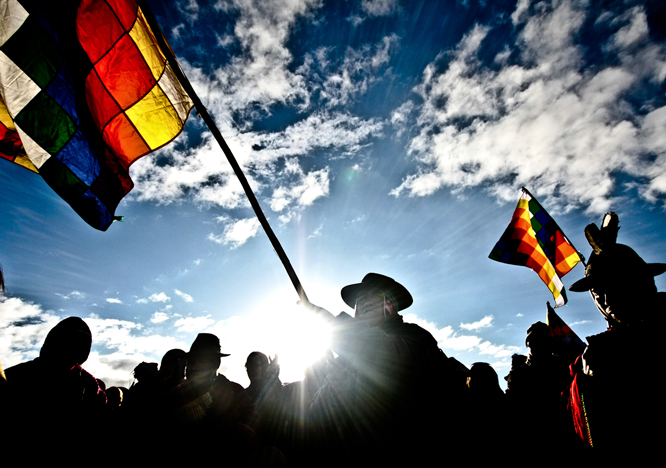
Spanish is the official and predominant language, although 36 indigenous languages also have official status, of which the most commonly spoken are Guarani, Aymara and Quechua languages.
GEOGRAPHY
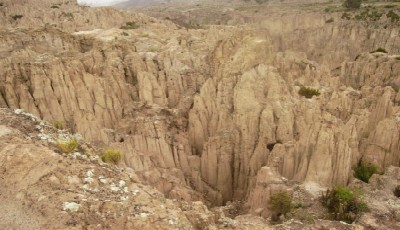
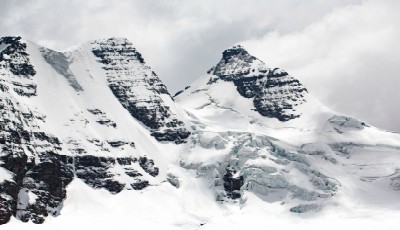
Bolivia’s geography exhibits a great variety of terrain and climates, stretching from the peaks of the Andes in the West, to the Eastern Lowlands, situated within the Amazon Basin.
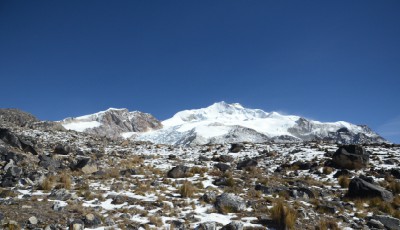
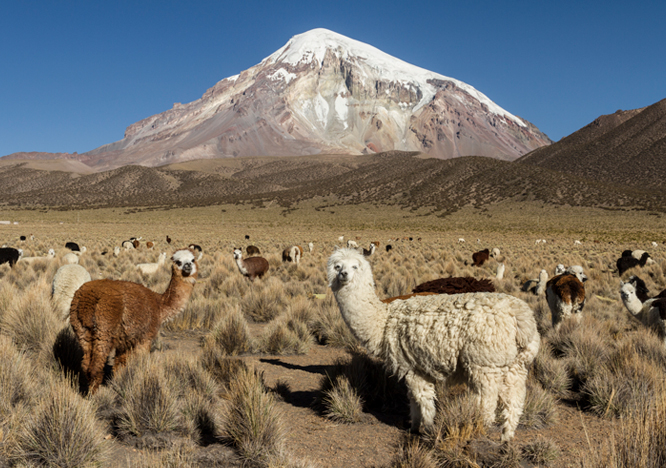
Bolivia has a high level of biodiversity, considered one of the greatest in the world, as well as several ecoregions with ecological sub-units such as the Altiplano, tropical rainforests (including Amazon rainforest), dry valleys, and the Chiquitania, which is a tropical savanna. These areas feature enormous variations in altitude, from an elevation nearly 70 metres (230 ft) above sea level, along the Paraguay River, to one of 6,542 metres (21,463 ft) in Nevado Sajama.
The territory of Bolivia comprises four types of biomes, 32 ecological regions, and 199 ecosystems.
The country boasts over 17,000 species of seed plants, including over 3,000 species of medicinal plants. Bolivia is considered the place of origin for such species as peppers and chili peppers, peanuts, the common beans, yucca, and several species of palm.
Moreover, Bolivia hosts more than 2,900 animal species, including over 1,400 birds (about 14% of birds known in the world, being the sixth most diverse country in terms of bird species), and more than 3,000 types of butterfly.
Finally, Bolivia has gained global attention for its ‘Law of the Rights of Mother Earth’, which accords nature the same rights as humans.
CLIMATE
The climate of Bolivia varies drastically with altitude and from one eco-region to the other, from the tropics in the eastern llanos to a polar climate in the western Andes.
CULTURE
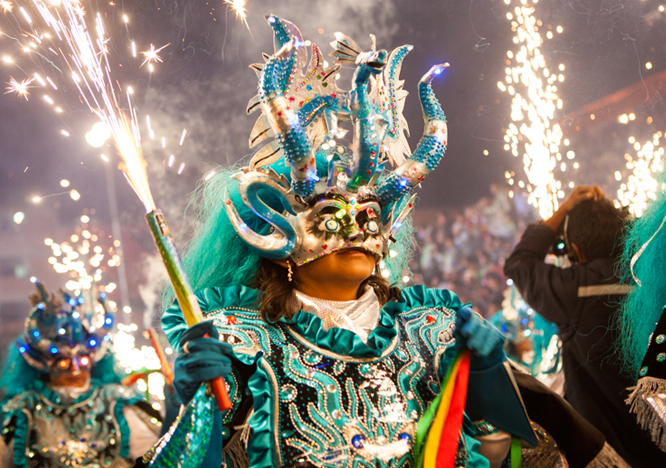
Bolivia is an incredibly diverse country with a greatly varied culture.
The state’s culture is an amalgam of indigenous and Hispanic elements with various traditions and ethnicities, in particular the Andean (primarily Quechua and Aymara) centered in the highland regions, and lowland groups (such as Guaranies and Tacanas), located in the eastern Amazonian regions.
While most of the population now identifies as mestizo (of mixed ancestry), there are approximately three dozen native groups totaling approximately half of the Bolivian population – the largest proportion of indigenous people in Latin America.
Historically, Bolivia has been predominantly rural, with most of its Quechua- and Aymara-speaking peasants living in highland communities. Although only one-third of its territory lies in the Andes Mountains, most of the nation’s largest cities are located there, and for centuries the highlands have attracted the nation’s largest amount of mining, commercial, and business investment. In the late 20th century, however, the demographic and economic landscape began to change as the eastern lowlands—particularly the department of Santa Cruz—developed rapidly.
Spanish is the national and official language, is spoken in urban centers, while the dominant languages in the rural highlands are Quechua (the Incan lingua franca) and Aymara. Today several varieties of Spanish, Quechua, and Aymara are spoken, and all have influenced one another in vocabulary, phonology, syntax, and grammar.
Before Spanish colonization, the Andean region of Bolivia was part of the Inca Empire, while the northern and eastern lowlands were inhabited by independent tribes. Spanish conquistadores arriving from Cuzco and Asunción took control of the region in the 16th century and built a colonial empire that lasted until 1825, generating the spread of a Spanish cultural heritage which can still be observed today.
An institutionalized system of unequal access to political, economic, and sociocultural resources is a direct outcome of the Spanish conquest and is closely wedded to the nation’s ethnic and cultural makeup. Class, culture (including ethnicity and language), and race (physical characteristics) overlap, solidify, and mark the social hierarchy. Cultural differences and symbols such as language, dress, occupation, and residence are part of the class structure and function as pointers of the social hierarchy.
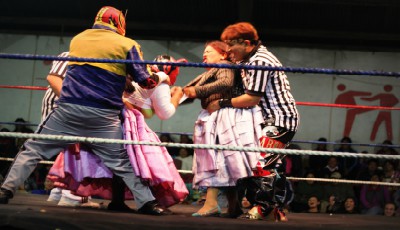
While the white Spanish minority has historically occupied the apex of the social hierarchy, a recent economic boom has seen Bolivia’s indigenous people come in from the margins to flaunt their new wealth. And the growing economic confidence is coupled with a new sense of pride among indigenous people. The most iconic figure in Bolivian culture, Cholitas are riding the crest of a resurgence that transformed them from discriminated and oppressed low-class citizens to protagonists in the new economic, political and cultural waves that drive the country. Once a derogatory term, the world “chola” -or most commonly, the endearing version “cholita”- has now achieved a positive connotation to represent empowered, proud and fashionable Bolivian women.
The sense of nationhood and national identity is shared by all Bolivians but, given the historical disenfranchisement of the peasant majority, probably is of recent origin. Most authors point to the wars of the Pacific and the Chaco and the 1952 populist revolution (along with subsequent state-building efforts) as the key events that created a sense of nationhood. A strong feeling of national identity coexists with other identities, some ethnic and some not, with varying levels of inclusiveness.
In 2009, a new constitution changed the country’s official name to “Plurinational State of Bolivia” in recognition of the multi-ethnic nature of the country and the enhanced position of Bolivia’s indigenous peoples under the new constitution.
OUR DESTINATIONS
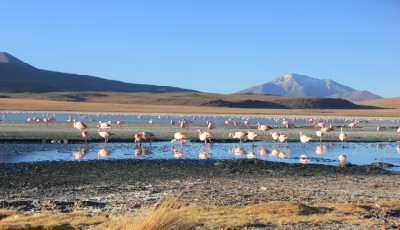

3 days and 2 nights


From 200 USD

12 years old*.
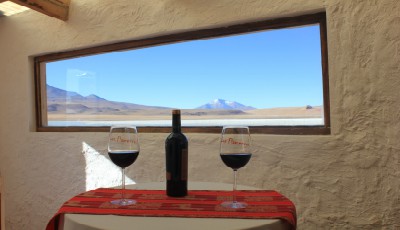
3 Days / 2 Nights
 Comfort
From 825 USD
12 years old*.
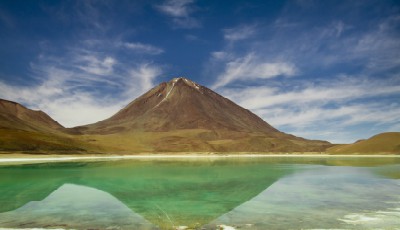
3 Days / 2 Nights
Comfort
From 695 USD
12 years old*.
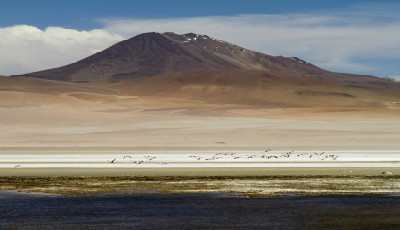
4Days / 3 Nights
Comfort
From 845 USD
12 years old*.